
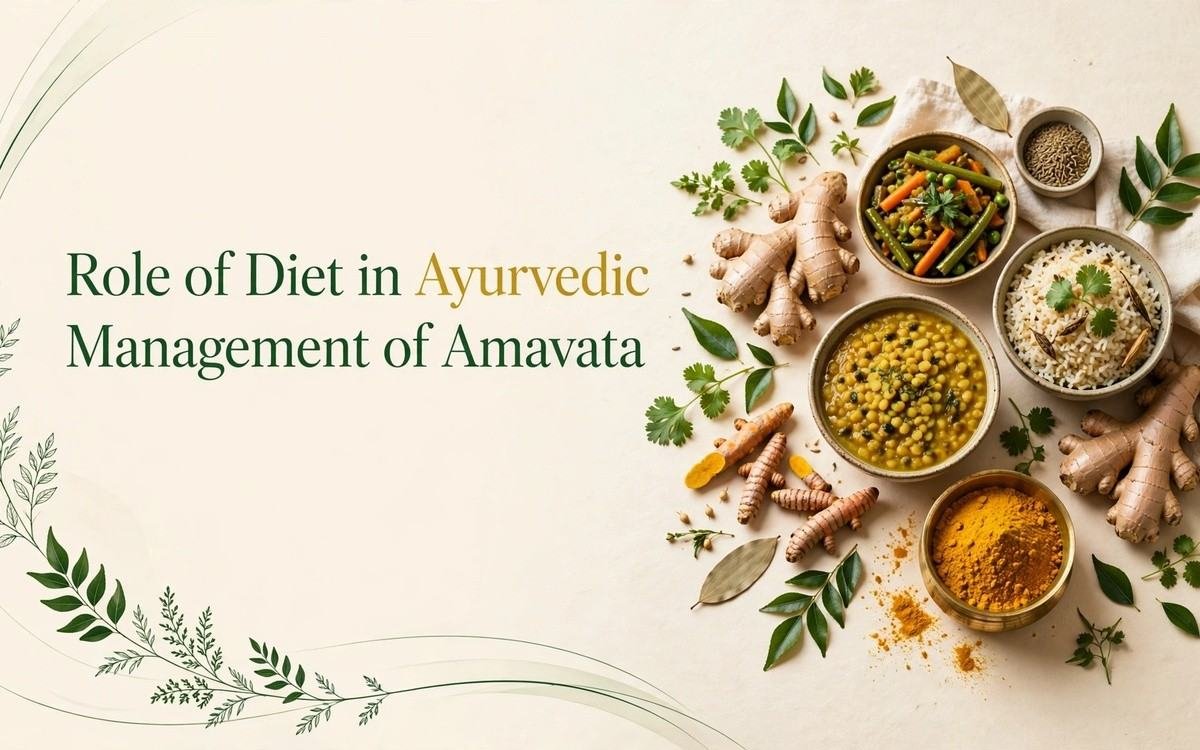
Diet for Amavata: 10 Ayurvedic Dietary Guidelines
Diet for Amavata is an important subject in traditional Ayurvedic discussions of this condition. Ayurveda considers food habits, digestion, meal timing and daily routines as connected aspects of overall wellbeing. In classical Ayurvedic descriptions, Amavata is discussed through the concepts of Ama and Vata, with dietary guidance traditionally organised around Pathya (wholesome or suitable choices) and Apathya (choices considered unsuitable). These principles may influence the selection of foods, cooking methods and eating routines within an Ayurvedic plan.
For guidance on Ayurvedic approaches to rheumatoid arthritis, readers can also explore [Ayurvedic Rheumatoid Arthritis Treatment in Mannarkkad]. However, Amavata is a traditional Ayurvedic concept and should not automatically be treated as identical to rheumatoid arthritis. For people diagnosed with rheumatoid arthritis, a balanced diet can support general health and nutritional wellbeing, but it does not replace medical treatment or medicines prescribed by a rheumatologist.
1. Understanding Amavata and the Importance of Diet in Ayurveda
Amavata is a condition described in traditional Ayurvedic literature through the relationship between two concepts: Ama and Vata. Ama is commonly explained in Ayurveda as a form of incompletely processed material associated with impaired digestion and metabolism. Vata is one of the three doshas and is traditionally associated with movement and certain functions of the body. Ayurvedic descriptions of Amavata consider the interaction of these concepts in relation to joint discomfort and other symptoms.
Within this traditional framework, food is considered more than a source of nourishment. The quality, quantity, timing and preparation of meals are all discussed in relation to digestion and individual constitution. Ayurveda therefore gives attention to dietary routines when explaining the traditional management of Amavata.
Why digestion is discussed in Ayurveda
Ayurvedic dietary principles place importance on Agni, a term commonly used to describe digestive capacity. Traditional explanations suggest that food choices and eating habits should be appropriate to an individual’s digestive capacity. Irregular meals, overeating and eating when previous meals have not been comfortably digested are traditionally considered unsuitable habits.
These descriptions belong to the Ayurvedic system of understanding health. They should not be interpreted as a modern medical explanation of rheumatoid arthritis or as proof that digestive problems cause autoimmune joint disease.
Amavata and rheumatoid arthritis are not identical diagnoses
Amavata is sometimes discussed alongside rheumatoid arthritis because both descriptions may involve joint-related symptoms. However, they are not interchangeable diagnoses. Rheumatoid arthritis is a chronic autoimmune inflammatory disease assessed through medical history, physical examination and appropriate investigations. It may require disease-modifying medicines and continuing medical monitoring.
Dietary advice for someone with rheumatoid arthritis should consider their medical diagnosis, nutritional needs, prescribed medicines and any other health conditions. Ayurvedic dietary principles may be explored as part of personal food choices, but they should not replace evidence-based medical care.
2. Pathya and Apathya: Traditional Ayurvedic Dietary Principles
Two terms commonly used in Ayurvedic dietary discussions are Pathya and Apathya. Pathya refers to food and habits traditionally considered suitable for an individual or condition. Apathya refers to choices considered unsuitable within that framework. These ideas help organise dietary recommendations rather than create one fixed food list for every person.
In the traditional management of Amavata, food choices may be discussed in relation to digestion, appetite, constitution, age, daily activity and general health. An Ayurvedic practitioner may consider whether meals are regular, whether the person is eating adequate quantities and whether particular foods cause digestive discomfort.
What Pathya means in everyday food choices
Pathya does not necessarily mean following a restrictive diet. It generally refers to choosing foods and routines considered appropriate for a person’s circumstances. This may include freshly prepared meals, suitable portions, a variety of ingredients and regular eating patterns.
A balanced meal can include vegetables, grains, pulses or other protein sources, and suitable fats. The exact combination can vary according to food preferences, availability, nutritional requirements and individual tolerance.
Understanding Apathya without unnecessary restrictions
Apathya is traditionally used to describe foods or habits considered unsuitable in a particular context. However, it should not be used to justify removing entire food groups without a clear reason. Restrictive diets can make it difficult to obtain enough energy, protein, vitamins and minerals.
People with diagnosed rheumatoid arthritis should be particularly careful about diets that promise to control the disease by eliminating several foods. Current medical guidance does not establish that a single restrictive diet can treat rheumatoid arthritis. The NHS notes that there is no strong evidence that specific dietary changes improve RA for everyone, while encouraging a healthy, balanced approach.
3. Foods Traditionally Considered Suitable in an Amavata Diet
Traditional Ayurvedic dietary guidance may discuss freshly prepared, appropriately portioned and easily tolerated meals. The specific foods selected can vary, and there is no single menu that is suitable for every person. Food choices should also provide adequate nutrition rather than focusing only on traditional classifications.
Freshly prepared meals
Freshly prepared meals are commonly emphasised in traditional dietary routines. Home-cooked food can make it easier to manage ingredients, portion sizes and preparation methods. Simple meals may also be easier to adapt when a person has a reduced appetite or prefers familiar foods.
This does not mean that all stored or reheated food is harmful. Food safety, storage conditions and personal tolerance are important practical considerations. The aim is to maintain a convenient and nutritious routine rather than create unnecessary anxiety around meals.
Cooked vegetables
Vegetables provide fibre, vitamins, minerals and other nutrients. They can be included in different forms, such as steamed, lightly cooked or incorporated into soups and vegetable-based dishes. The preparation method can be adjusted to suit the person’s preferences and digestive comfort.
Common options include carrots, beans, pumpkin, bottle gourd, spinach and other locally available vegetables. No individual vegetable should be described as a treatment for Amavata or rheumatoid arthritis. Their value comes from contributing to a varied and balanced eating pattern.
Grains and cereals
Rice, wheat, millets and other cereals can provide energy and form part of everyday meals. The choice can depend on cultural food habits, appetite, tolerance and nutritional needs. Whole grains may also contribute fibre to the diet.
People who have been advised to modify their carbohydrate intake for another medical condition should follow the guidance given by their healthcare professional. There is no need to remove all grains simply because a person is exploring an Ayurvedic dietary approach.
Pulses and other protein sources
Adequate protein is important for maintaining normal body functions and muscle. Depending on individual preferences, meals may include lentils, green gram, beans, chickpeas, dairy products, eggs, fish, poultry or other suitable protein sources.
People following vegetarian diets can obtain protein from a variety of plant-based foods. Including different sources across the day can help improve dietary variety. Anyone experiencing unintended weight loss, reduced appetite or difficulty eating enough should seek individual nutritional advice.
4. Foods and Eating Habits Traditionally Discussed as Apathya
Ayurvedic descriptions of Amavata may identify certain food choices and eating habits as unsuitable within the traditional framework. These recommendations should be understood in their context and not converted into universal medical restrictions.
A person’s food tolerance, nutritional needs, other health conditions and daily routine should all be considered before changing their diet.
Irregular meal timings
Ayurvedic dietary principles commonly emphasise regular eating habits. Skipping meals frequently, eating at highly inconsistent times or having very large meals after long gaps may make it harder for some people to maintain a comfortable routine.
A practical approach is to establish meal timings that fit daily activities and appetite. People with diabetes, gastrointestinal conditions or other medical needs may require a different schedule based on professional advice.
Frequent overeating
Eating beyond comfortable fullness may cause digestive discomfort. Traditional Ayurvedic guidance often places importance on appropriate meal quantity. Portion sizes can be adjusted according to appetite, activity level, age and individual nutritional requirements.
The aim is not to eat too little. Inadequate food intake can contribute to nutritional deficiencies and unintended weight loss, particularly in people already managing a chronic health condition.
Excessively restrictive food choices
Removing multiple foods without a clear reason can reduce dietary variety. For example, eliminating grains, pulses, dairy products and several vegetables at the same time may make it difficult to maintain adequate nutrition.
If a person suspects that a particular food causes discomfort, it may be useful to keep a food and symptom record and discuss the pattern with a qualified healthcare professional. A major dietary restriction should be planned carefully, especially if it affects a key source of protein, calcium, iron or other nutrients.
Individual tolerance matters
A food traditionally classified as suitable may not be comfortable for every individual. Allergies, intolerances, medical conditions and personal preferences can affect what a person can eat. Dietary advice should therefore be practical and flexible rather than based on a rigid list.
5. The Role of Warm, Cooked and Easily Tolerated Meals
Warm and cooked foods are often discussed in traditional Ayurvedic dietary guidance, including descriptions of Amavata. In this context, attention is given to food preparation, meal temperature and digestive comfort. Some people may prefer warm meals, especially when they find them easier to eat than very cold or heavily prepared dishes.
Soups and light meals
Vegetable soups, lentil-based dishes and other simple meals can be useful ways to include fluids, vegetables and protein in the diet. Ingredients can be adjusted according to taste and tolerance. A soup made with vegetables and pulses, for instance, can contribute to a balanced meal when prepared with sufficient energy and protein.
A light meal should not mean a nutritionally inadequate meal. People who need more energy or protein may require additional ingredients or suitable portions.
Cooking methods
Steaming, boiling, pressure cooking and light sautéing are practical methods for preparing a range of foods. The choice depends on the ingredient and the person’s preferences. Cooking can also make certain foods easier to chew and consume.
There is no need to assume that one cooking method is medically superior for everyone with Amavata or rheumatoid arthritis. Food preparation should support variety, safety and nutritional adequacy.
Spices and flavouring ingredients
Ginger, turmeric, cumin, coriander and other spices are commonly used in Indian cooking and traditional food practices. They can add flavour and variety to meals. Their presence in food does not mean that the dish acts as a medicine for rheumatoid arthritis.
Culinary quantities and concentrated supplements are different. People taking regular medication should seek advice before using high-dose herbal or spice supplements, as products may have different ingredients and possible interactions.
6. Maintaining a Balanced Diet for General Health
Although Ayurvedic dietary guidance has its own traditional framework, people with rheumatoid arthritis also need to consider general nutritional recommendations. A balanced diet can help maintain energy, support normal body functions and reduce the risk of nutritional gaps. It should not be presented as a replacement for medical treatment or as a guaranteed way to control joint inflammation.
Include a variety of fruits and vegetables
A variety of fruits and vegetables can provide fibre, vitamins, minerals and plant compounds. Choosing different colours and types throughout the week can improve dietary variety. Seasonal produce may also be a practical option.
Fresh, frozen or appropriately stored produce can all contribute to a balanced diet. The choice can depend on availability, budget, convenience and personal tolerance.
Choose suitable sources of healthy fats
Nuts, seeds and plant oils can contribute unsaturated fats to the diet. Fish may also be included by people who eat it. The type and quantity of fat should be considered as part of the overall eating pattern rather than focusing on one ingredient as a treatment.
Maintain adequate calcium and vitamin D intake
Calcium and vitamin D are important nutrients for bone health. Individual requirements can vary with age, diet, medical history and medication use. Some people with rheumatoid arthritis may have additional bone-health considerations, particularly if they use certain medicines over time.
Food sources and supplements should be considered according to individual needs. Supplements should not be started automatically or used in place of a varied diet without appropriate advice.
Follow a sustainable eating pattern
A dietary routine is more useful when it can be maintained over time. A plan based on familiar foods, reasonable portions and a variety of ingredients may be easier to follow than a complicated programme with many restrictions.
The American College of Rheumatology conditionally recommends a Mediterranean-style dietary pattern over no formally defined diet for people with RA. This pattern includes vegetables, fruits, whole grains, nuts, seeds and olive oil, with moderate amounts of fish and some dairy foods. The recommendation is conditional; it does not mean that this diet cures RA or works identically for everyone.
7. Meal Timing, Portion Sizes and Daily Food Routines
In Ayurveda, meal timing and eating habits are often considered alongside the type of food being consumed. Traditional dietary guidance places importance on eating according to appetite and maintaining a routine that is appropriate to the individual.
Establish a practical meal schedule
A consistent schedule can help people plan meals and avoid long periods without food when those gaps cause discomfort. The number and timing of meals can vary. Some people prefer three main meals, while others may need smaller meals or snacks depending on appetite, work routine and medical requirements.
There is no universal meal schedule that must be followed by everyone with Amavata. People with specific health conditions should follow any dietary timing advice provided by their healthcare team.
Pay attention to portion sizes
Portions should provide enough energy and nutrients without causing unnecessary discomfort. Appetite, physical activity, body size and health circumstances can all influence food requirements.
Avoiding excessive portions does not mean following a very low-calorie diet. People who are underweight, losing weight unintentionally or struggling to eat should seek medical or dietetic guidance before changing meal quantities.
Eat with attention
Eating slowly and paying attention to hunger and fullness can help people understand their food habits. It may also make it easier to notice whether particular meals are associated with digestive discomfort.
This is a practical eating habit, not a specific treatment for joint inflammation. It can be included as part of a general routine without making claims about disease control.
8. Hydration and the Place of Drinks in an Ayurvedic Routine
Fluid intake is another part of everyday dietary planning. Water is essential for normal body functions, and individual requirements can vary depending on activity, climate, age, diet and health conditions.
In traditional Ayurvedic routines, warm water and certain herbal drinks may be discussed. These practices should be considered as personal dietary choices rather than proven treatments for Amavata.
Drinking enough water
People should maintain adequate fluid intake throughout the day. Water is generally a suitable everyday choice. The amount needed can differ, and individuals with kidney, heart or other conditions may have specific fluid instructions from their healthcare professional.
Herbal drinks and infusions
Some people include mild herbal infusions as part of their daily routine. The ingredients and strength of these drinks should be considered carefully, particularly when a person takes prescription medicines or has other medical conditions.
A drink made with a culinary quantity of an ingredient is not the same as a concentrated herbal product. Strong preparations and supplements should be discussed with a qualified professional before use.
Avoid relying on drinks as treatment
No drink should be promoted as a way to remove Ama from the body, cure Amavata or stop rheumatoid arthritis. Claims of detoxification or guaranteed joint relief are not established medical outcomes. Drinks can contribute to hydration and enjoyment, but they should not replace a balanced diet or prescribed treatment.
9. Personalising Dietary Choices and Monitoring Nutritional Needs
Dietary recommendations should take account of the individual rather than relying on a fixed Amavata food chart. People differ in their food preferences, digestion, nutritional requirements, medical history and ability to prepare meals.
Consider existing medical conditions
A person may have diabetes, high blood pressure, kidney disease, digestive conditions or food allergies alongside joint symptoms. These conditions can influence which foods and quantities are appropriate.
For example, a dietary plan that is suitable for one person may not be appropriate for someone who has been advised to limit sodium, manage blood glucose or follow a specific kidney-related diet. Personalised guidance is important when several health considerations are involved.
Review appetite and weight changes
Changes in appetite and body weight should not be ignored. Unintended weight loss may indicate that a person is not consuming enough energy or may be related to another health issue. Significant weight gain can also affect general health and mobility.
A healthcare professional or registered dietitian can help assess whether the person’s diet provides adequate energy, protein and essential nutrients.
Keep a food and symptom diary
A simple record of meals, appetite and symptoms may help identify patterns worth discussing with a professional. It can include the foods eaten, approximate meal timings, digestive comfort and any changes noticed in daily functioning.
A diary cannot establish that a particular food causes rheumatoid arthritis symptoms. It is a practical tool for organising observations and supporting a more informed discussion.
Avoid self-directed elimination diets
Elimination diets can remove important nutrients if they are not planned carefully. Anyone considering avoiding dairy, grains, pulses or several other food groups should first discuss nutritional alternatives with a qualified professional.
10. Combining Ayurvedic Dietary Guidance With Appropriate Medical Care
Diet is one part of overall health management. In traditional Ayurveda, food choices are considered alongside other aspects of daily routine and individual assessment. People exploring the role of diet in Amavata should understand both the traditional context and the limits of available medical evidence.
For someone diagnosed with rheumatoid arthritis, dietary changes should be coordinated with appropriate medical care. Rheumatoid arthritis is an autoimmune condition that may require disease-modifying antirheumatic drugs and regular follow-up. A healthy eating pattern can support general wellbeing, but it does not replace medicines prescribed to control the disease.
Do not stop prescribed medication
A person should not reduce or stop rheumatoid arthritis medication because they have changed their diet or started following Ayurvedic recommendations. Any medication change should be discussed with the prescribing doctor or rheumatologist.
Inform healthcare professionals about supplements
Herbal products and supplements may interact with medicines or contain ingredients that are not clearly identified. Some Ayurvedic preparations may contain potentially harmful levels of lead, mercury or arsenic. Product quality and ingredient information therefore matter.
Choose realistic and nutritionally complete changes
A sustainable food routine is generally more practical than a plan based on many prohibitions. Include a variety of foods, maintain adequate protein and energy intake, and adapt meals to personal preferences and medical needs.
Ayurvedic dietary principles can be discussed with a qualified practitioner, while a registered dietitian or doctor can help assess nutritional adequacy and medical considerations. This allows dietary decisions to be made with a clearer understanding of both traditional practice and current healthcare needs.
Diet for Amavata is best approached as a topic involving traditional food principles, individual preferences and general nutritional wellbeing. A balanced and carefully planned diet can form part of everyday self-care, but it should not be presented as a cure for Amavata or rheumatoid arthritis.
- 01Ayurvedic Rheumatoid Arthritis Treatment in Mannarkkad
- 02What Are the Common Symptoms of Rheumatoid Arthritis?
- 03What Causes Rheumatoid Arthritis?
- 04When Should You Seek Ayurvedic Care for Rheumatoid Arthritis?
- 05How Is Rheumatoid Arthritis Related to Amavata?
- 06How Does Ayurveda Approach Rheumatoid Arthritis?
- 07What Ayurvedic Treatments Are Used for Rheumatoid Arthritis?
- 08Role of Diet in Ayurvedic Management of Amavata
Frequently Asked Questions
Traditional Ayurvedic guidance for Amavata generally discusses Pathya, or suitable food choices, and Apathya, or choices considered unsuitable. It may emphasise freshly prepared, balanced meals and eating habits selected according to individual needs. These principles are traditional guidance and should not be considered a proven treatment for rheumatoid arthritis.
Pathya refers to food and lifestyle choices traditionally considered suitable in Ayurveda. For Amavata, these recommendations may include balanced meals, appropriate food preparation and regular eating habits, depending on an individual's digestive health and overall condition.
Traditional dietary guidance may include freshly prepared cooked vegetables, suitable grains, pulses and easily tolerated meals. Food choices should also provide adequate protein, fibre, vitamins and minerals. The appropriate selection depends on individual nutritional needs and food tolerance.
Ayurvedic descriptions of Apathya identify certain foods and eating habits as unsuitable for Amavata. Recommendations may vary according to individual circumstances. Avoid unnecessary food restrictions, and seek qualified dietary guidance before eliminating major food groups.
Warm, freshly prepared meals are commonly discussed in traditional Ayurvedic dietary guidance for Amavata. Soups, cooked vegetables and other balanced meals may be considered according to personal tolerance. These food choices should support, rather than restrict, overall nutritional intake.
There is no established evidence that diet alone cures Amavata or rheumatoid arthritis. A balanced diet can support general health and nutritional wellbeing, but rheumatoid arthritis requires appropriate medical assessment and treatment. Dietary changes should not replace prescribed medicines or rheumatology care.
Turmeric is used as a culinary spice and is discussed in traditional Ayurvedic practices. Using turmeric in ordinary food is different from taking concentrated supplements. Supplements may interact with medicines or cause side effects, so discuss their use with a qualified healthcare professional.
Regular meal timing is one of the daily routine principles discussed in Ayurveda. Eating meals at reasonably consistent times and avoiding excessive portions may help establish a practical eating routine. Individual schedules and nutritional requirements should be considered.
People with rheumatoid arthritis may explore traditional Ayurvedic dietary guidance as a complementary approach, provided it is appropriate for their health needs. Amavata and rheumatoid arthritis are not automatically identical diagnoses. Any dietary plan should be discussed with relevant healthcare professionals and should not interfere with prescribed treatment.
Yes. Dietary recommendations can be adapted to individual food preferences, nutritional requirements, digestive tolerance, existing health conditions and prescribed medicines. A qualified healthcare professional or registered dietitian can help ensure that dietary changes remain balanced and appropriate.